Are you afraid of growing old?
I will admit it. I am afraid. Not of growing old, exactly, but of becoming dependent on help and not receiving it. Still, I have quiet hope of rescue from an unexpected direction.
The large post-war cohorts are heading into retirement. The steepest rise in the elderly population happens through the 2020s and 2030s, and around 2060 to 2070 the numbers level off at historically high levels. Norway exempli gratia will by then be full of a great many old and fragile people. Will there be enough help to go round when we are among them?
Japan shows us the future
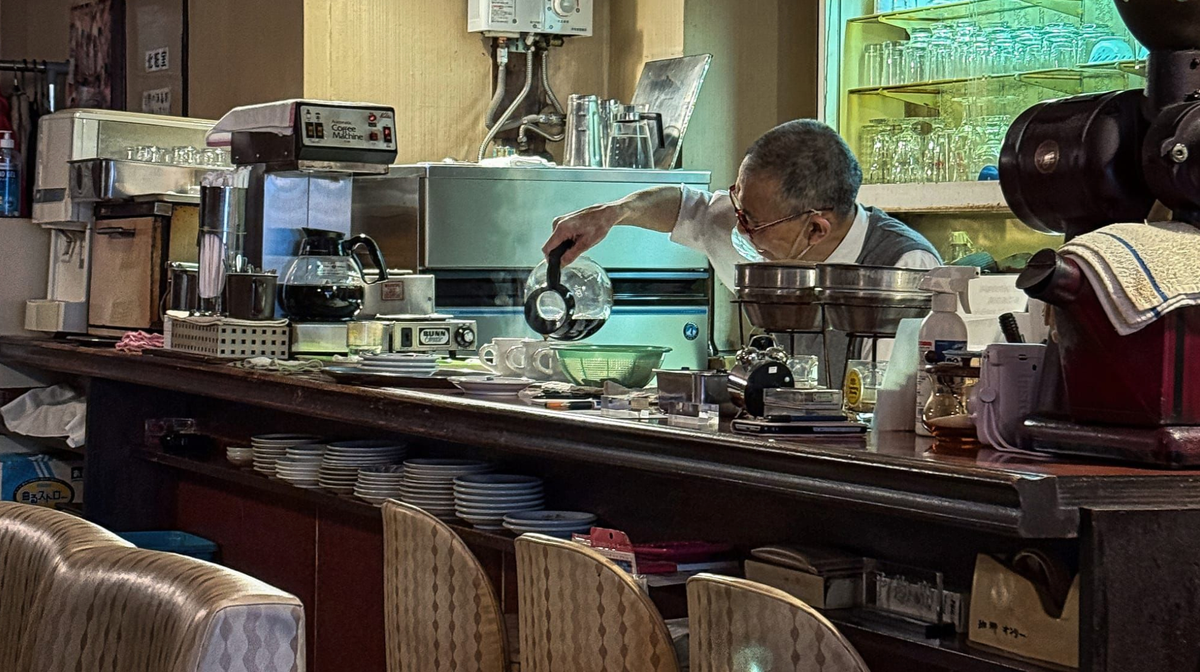
The ageing wave, the shortage of healthcare staff and the strain on the pension system are already daily reality in Japan. More than 10 per cent of over-75s are still working, pushed along by economic necessity and an acute shortage of hands.
Hands up, anyone keen to still be at work after their 80th birthday.
There is hope. If we want it
The hope lies in technology. A quiet revolution is under way. It can rewrite what independence actually means. And the people giving it the greatest push, as it happens, are those with disabilities. They are driving forward the very solutions that will help the rest of us tomorrow.
This needs scaling up. By pressing both the technology developers and the people who set the terms for society, we can make ourselves less dependent on help in the years ahead.
Three areas change the game.
Mobility at home
We are well past the era of the simple personal alarm. Advanced assistive systems navigate indoors on their own. Lifting aids open up shelves and cupboards. More people can stay safely in their own homes for longer.
Personal strength
Exoskeletons, robotic skeletons worn on the body, keep getting lighter and cheaper. Industrial workers already wear them for heavy lifting. Before long they will be helping the elderly carry the shopping, rise from a chair and get out for a stroll. Care workers can then focus on the person in front of them, rather than the weight of them.
Transport beyond the home
Subsidised transport schemes and adapted vehicles are getting new company in the shape of smarter solutions. Self-driving cars pull up at the front door. Driver-assistance systems keep older motorists safely on the road for longer. Toyota has even built a city of its own, Woven City, a living laboratory for the mobility solutions of tomorrow, for both society and the individual.
A vision of dignity
Our hope is technology so seamlessly integrated that it becomes invisible. People can carry on working, join in socially and contribute on their own terms. Consider what that could mean. People get their self-belief back. We push loneliness into retreat. And Norway, as a going concern, starts earning money rather than shouldering vast social costs.
The challenges right now
Pace is everything. Developers need to get their solutions to market faster. The best innovations deserve to be cheered on and given a proper stage.
Financing needs a rethink. What if a slice of your pension savings were invested in the very technology that will help you later on? The state, which has most to gain from all this, needs to clear the path rather faster. New solutions deserve an easier way in. The public sector is running a few laps behind.
The big prize
Society stands to save billions on health, care and benefits the moment more people can manage on their own. And the individual gets a dramatically better quality of life, with independence to boot.
The super resource
Hundreds of thousands of people with disabilities are testing and using technology today, and setting the terms for what comes tomorrow. It is high time we stopped treating them as a burden. They are innovators. Engage them more fully, and they can save society enormous future costs and accelerate the whole thing along the way.
Which means you and I need not be afraid of growing old at all. As a matter of fact, it might even turn out to be rather fun.